A Story of Fire and Fuels in Southwest Georgia
Mar
13
12:00 PM12:00

A Story of Fire and Fuels in Southwest Georgia

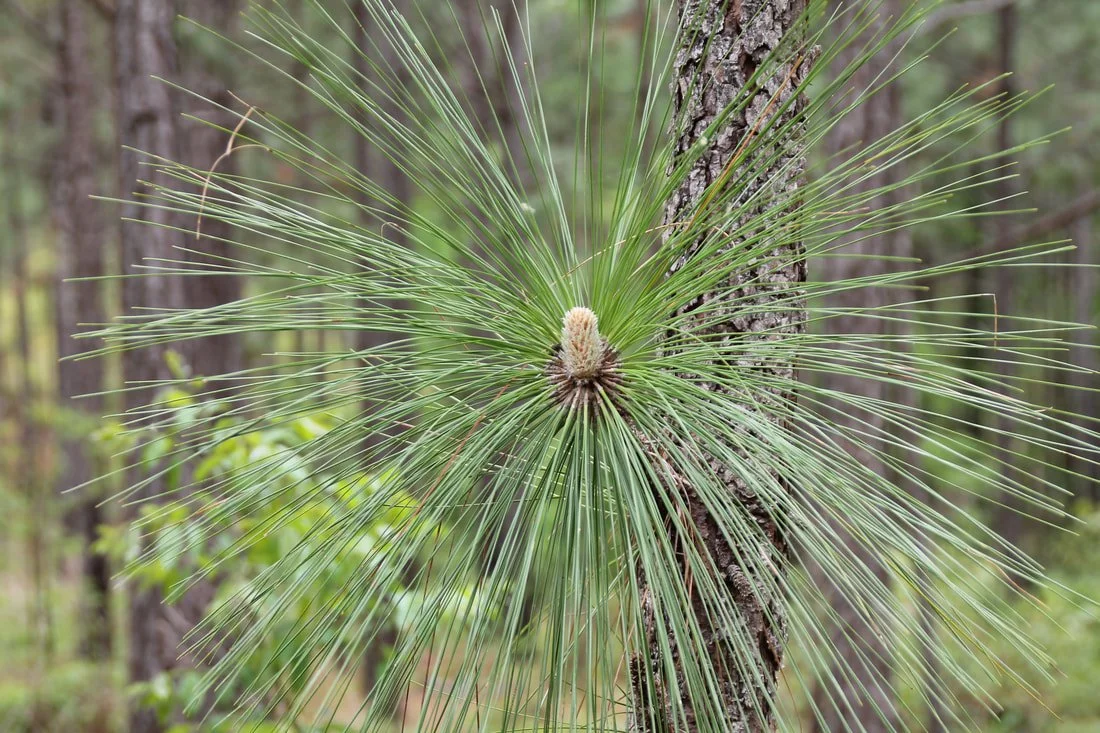
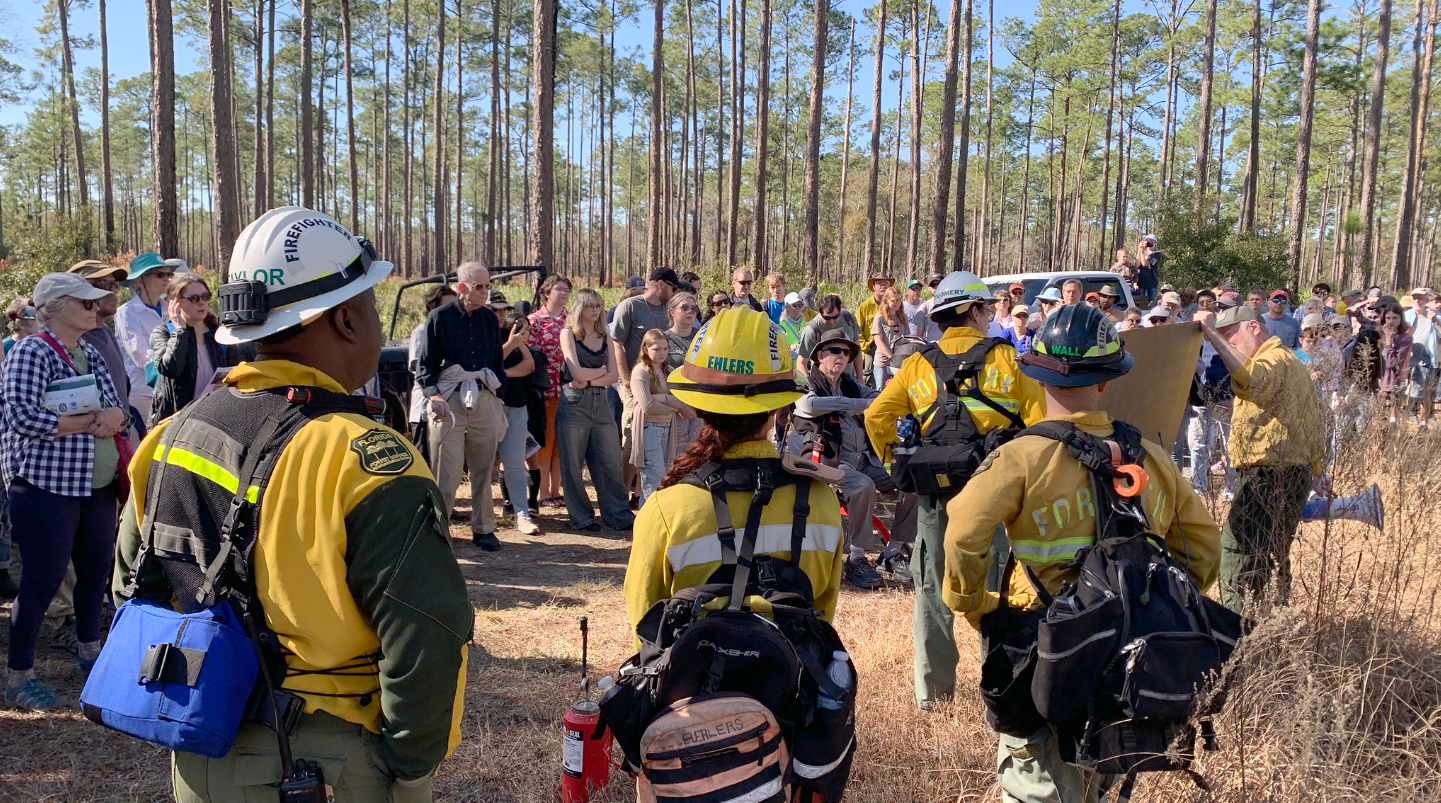
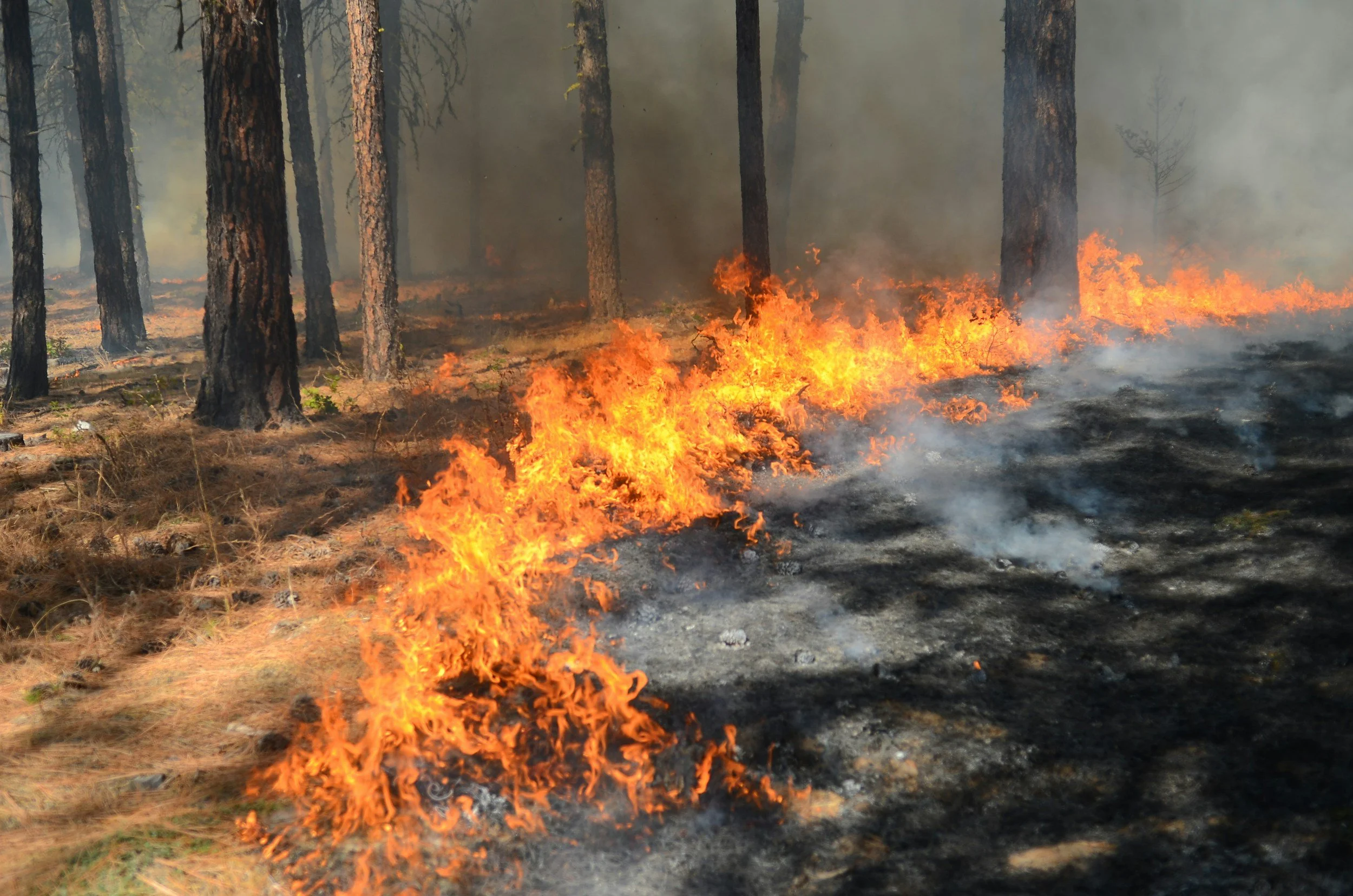
Southwest Georgia and northwest Florida represent the rekindling of prescribed fire culture in America, cast back on the landscape by Herbert Stoddard and the newly fledged field of wildlife biology. These new managers, researchers, and conservation advocates sought to restore a natural and essential process in an almost wholly anthropogenically changed landscape.
View Event →
Indigenous Agroforestry Network Quarterly Webinar
Mar
18
1:00 PM13:00

Indigenous Agroforestry Network Quarterly Webinar

In this session, we’ll hear from Dr. Frank Lake, Ryan Reed, and Monique Wynecoop about how Tribes are using cultural and prescribed fire as vital land management tools in California and Washington. Speakers will share their experiences applying cultural fire on the ground, discuss benefits to ecosystems and communities, and reflect on lessons learned amid increasingly catastrophic wildfire seasons.

View Event →
Measuring Tallgrass Prairie Responses to Disturbance Type and Timing to Improve Predictability During Restoration
Mar
24
12:00 PM12:00

Measuring Tallgrass Prairie Responses to Disturbance Type and Timing to Improve Predictability During Restoration

Join this webinar from the Tallgrass Prairie and Oak Savanna Fire Science Consortium and hear from Michelle Homann - a Ph.D. candidate from the University of Wisconsin-Madison Department of Integrative Biology who studies the effect of management decisions on restored tallgrass prairie plant communities.

View Event →
LANDFIRE Office Hour: From Ecosystems to Fire Needs: Using the New FNA Website + Tools
Mar
25
12:00 PM12:00

LANDFIRE Office Hour: From Ecosystems to Fire Needs: Using the New FNA Website + Tools

Senior Spatial Ecologist Sarah Hagen will introduce the new Fire Needs Assessment website and show how it helps users understand landscape conditions and identify where fire is needed to support ecological health. The session covers what an FNA is, how it connects historical ecosystems, current vegetation, and fire regimes, and how anyone can explore fire needs using the site and its downloadable tools.

View Event →
Fire and Fire Surrogate Studies and SageSTEP: The Benefits of Long-Term Fire Research
Apr
2
1:00 PM13:00

Fire and Fire Surrogate Studies and SageSTEP: The Benefits of Long-Term Fire Research

The goal of this webinar is to take an in‑depth look at two of the most influential long‑term fire research efforts supported by the Joint Fire Science Program: the Fire and Fire Surrogate (FFS) Study and the Sagebrush Steppe Treatment Evaluation Project (SageSTEP). These landmark studies provide rare, decades‑long insights into how different fuel treatments and fire management strategies shape ecosystem resilience, fuel dynamics, vegetation structure, and wildlife habitat.

View Event →
International Association for Society and Natural Resources Conference 2026
Jun
21
to Jun 24

International Association for Society and Natural Resources Conference 2026

The International Association for Society and Natural Resources (IASNR) conference emphasizes local to global resource management issues, environmental issues, collaborative stakeholder processes, and the social impacts of natural resource management. It is also a venue for presenting cutting-edge research and engaging in productive discussions focused on the sustainable management of natural resources.

View Event →

Duff in the Sandhills Fire Science Workshop
Mar
10
7:30 AM07:30

Duff in the Sandhills Fire Science Workshop

  • Southern Pines, NC United States (map)
  • Google Calendar ICS

This workshop, hosted by Southern Fire Exchange and the Consortium of Appalachian Fire Managers and Scientists, will provide landowners and fire professionals with scientific presentations, field demonstrations, and planning tools to help assess duff conditions, plan effective burns, and protect legacy and economically important trees

View Event →
Harnessing the Data Revolution for Fire Science - Webinar and Discussion
Mar
3
2:00 PM14:00

Harnessing the Data Revolution for Fire Science - Webinar and Discussion

Harnessing the Data Revolution for Fire Science - Webinar and Discussion

Tuesday, march 3 at 2:00pm ET

Students will have 15 mins each to present their research on three topics from the Desert Research Institute’s Harnessing the Data Revolution for Fire Science (HDRFS) project, followed by discussion. The topics and presenters are:

Air quality and wildfire smoke - Bianca Martinez This talk shares results from experimental burning of Great Basin vegetation, including the type and amount of air pollutants released, and combustion conditions. The findings of this research are relevant to prescribed fire and fuel treatment planning, and improving smoke management and public warnings.

Technology for real-time monitoring over large distances - Jehren Boehm This work focuses real-time monitoring of air, snow, and soil conditions with greater spatial resolution and lower cost. By leveraging existing fire camera networks with robust power systems and reliable internet connectivity, widely distributed low-cost wireless sensors can fill knowledge gaps that would otherwise rely on modeling.

Post-fire soils and water repellency - Conor Croskery This research is focused on determining if water repellent soils are present in sagebrush ecosystems before wildfire, how the distribution of these soils changes after fire, and if there is a relationship between how much water can be stored in the soil if water repellent soils are present after fire.

View Event →
The Hot-Dry-Windy Index (HDWI): Background, History, and Application to Fire Weather Forecasting in the Lake States and Northeast United States
Feb
25
2:00 PM14:00

The Hot-Dry-Windy Index (HDWI): Background, History, and Application to Fire Weather Forecasting in the Lake States and Northeast United States

The Hot-Dry-Windy Index webinar is a joint venture from the North Atlantic Fire Science Exchange (NAFSE) and the Lake States Fire Science Consortium (LSFSC), two members of the Joint Fire Science Program's Fire Science Exchange Network.

View Event →
Using Co-Production and Ecological Site Groups to Build State-and-Transition Models for Management in Pinyon-Juniper Ecosystems
Feb
25
1:00 PM13:00

Using Co-Production and Ecological Site Groups to Build State-and-Transition Models for Management in Pinyon-Juniper Ecosystems

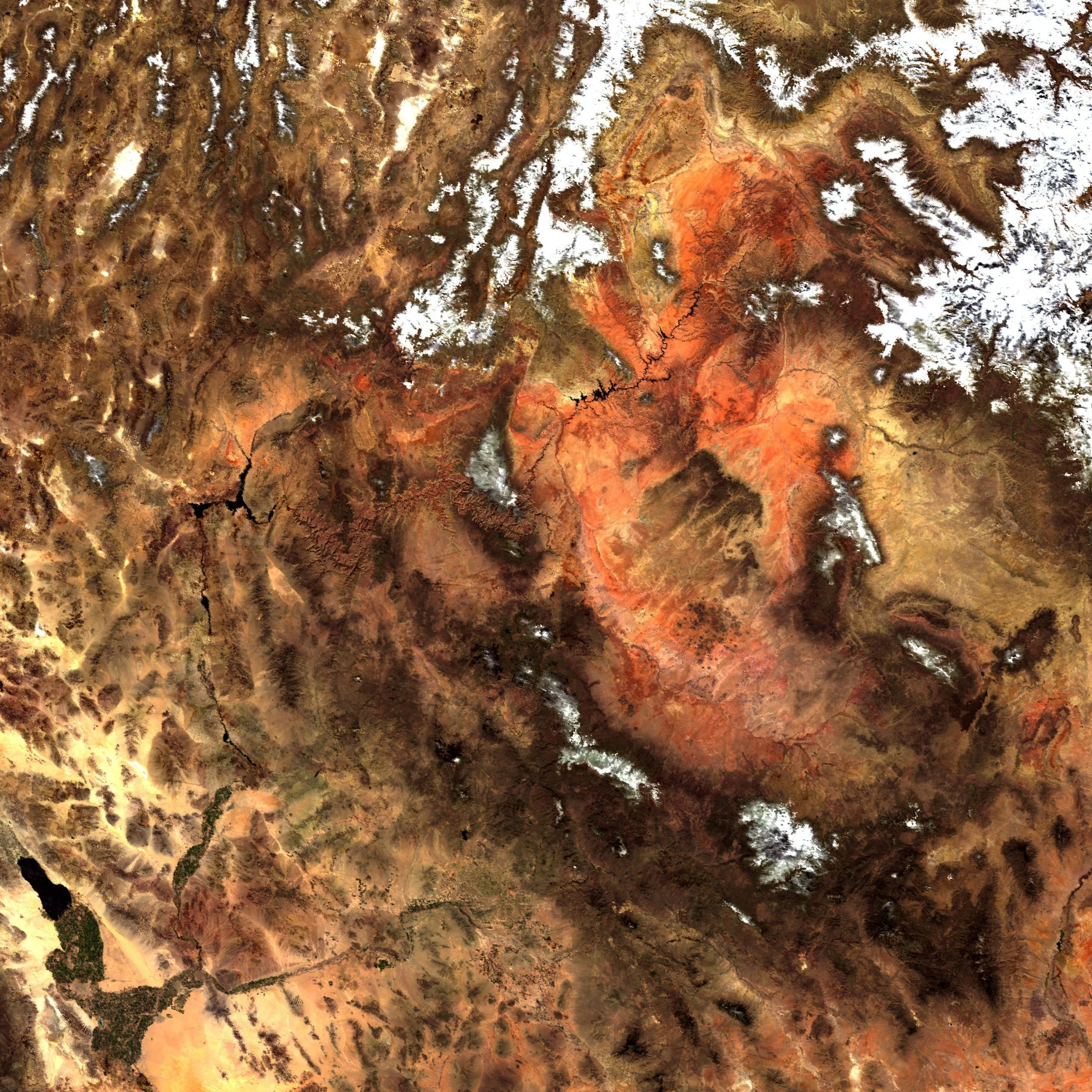
Join the Southwest, Southern Rockies, and Great Basin region Fire Exchanges for an introduction to tools that help managers predict post-fire outcomes to make better decisions about where and when to treat for fire risk - and show how Colorado Plateau landscapes have changed over time.

View Event →
Creating a burn severity atlas across western US forests
Feb
24
1:00 PM13:00

Creating a burn severity atlas across western US forests

In this webinar, Dr. Michele S. Buonanduci and Dr. Harvey will present new results from this western US atlas with a focus on applications in the US Northern Rockies and the Pacific Northwest. Join this first webinar co-hosted by the Western Fire & Forest Resilience Collaborative, the Northwest Fire Science Consortium and the Northern Rockies Fire Science Network.

View Event →
Duff in the Mountains Fire Science Workshop
Feb
24
9:00 AM09:00

Duff in the Mountains Fire Science Workshop

This workshop, hosted by Southern Fire Exchange the Consortium of Applachian Fire Managers and Scientists, will provide landowners and fire professionals with scientific presentations, field demonstrations, and planning tools to help assess duff conditions, plan effective burns, and protect legacy and economically important trees. This workshop will facilitate and increased understanding of duff fire management and mitigation practices.

View Event →
From Ignition to Insight: Soil Heating and Shared Lessons from Denali's Prescribed Pile Burns with Matt Behrens and Sarah Stehn
Feb
19
2:00 PM14:00

From Ignition to Insight: Soil Heating and Shared Lessons from Denali's Prescribed Pile Burns with Matt Behrens and Sarah Stehn

This webinar shares key findings from Matt Behrens’ masters thesis research at Denali National Park & Preserve showing that soil heating beneath burn piles is greater in fall than in spring, and that deeper soil organic layers dampen heating and burn depth, shaping below ground soil heating impacts.

View Event →
Cedar Trees, Conservation Programs, and the Role of Private Burn Associations in South Dakota
Feb
13
10:00 AM10:00

Cedar Trees, Conservation Programs, and the Role of Private Burn Associations in South Dakota

Sean Kelly, SDSU Extension Range Management Field Specialist, will provide an overview of the socioeconomic threats of woody encroachment to ranches and the importance of landowner-led prescribed burn associations in South Dakota, which follow a national model and trend towards landowner-led prescribed fire.

View Event →
Policy Update on the Fix Our Forests Act (FOFA)
Feb
12
3:00 PM15:00

Policy Update on the Fix Our Forests Act (FOFA)

This presentation from the Forest Stewards Guild and SW Fire Science Consortium will cover what is included in the current bill, how it has changed since early 2025, what recommendations from The Report of the Wildland Fire Mitigation and Management Commission and The National Cohesive Wildland Fire Management Strategy have been incorporated, and what we might expect to happen next.

View Event →