Promoting Fire Ecology Research, Education, and Management
The Association for Fire Ecology is an international organization dedicated to improving the knowledge and use of fire in land management. We are scientists, educators, students, managers, practitioners, policymakers, and interested citizens helping to shape the emerging profession and growing field of fire ecology.
AFE news
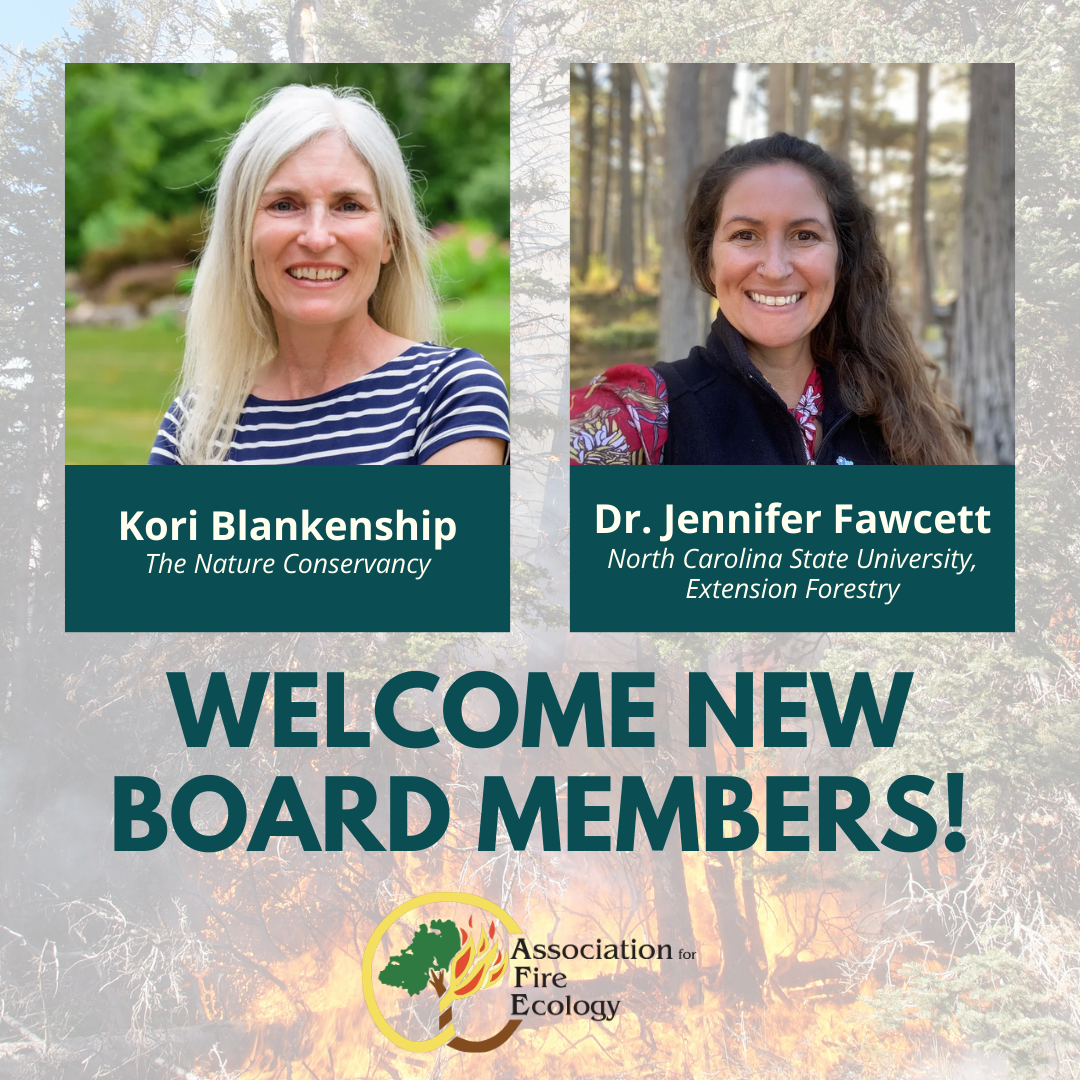
The AFE Board of Directors is pleased to welcome Kori Blankenship and Jennifer Fawcett as new board members!
Contribute to an international study on wildfire resilience, which is gathering place-based insights into the opportunities and challenges of building resilience across fire-prone regions worldwide.
A Beautifully Burned Forest: Learning to Celebrate Severe Forest Fire by Dr. Richard Hutto explores the beauty and ecological importance of severe fire.
A recent issue of Philosophical Transactions of the Royal Society B delves into novel fire regimes under human influence and climate change.
A recording of The Past, Present, and Future of Workforce Development and Education panel from the 4th Southwest Fire Ecology Conference has been uploaded.
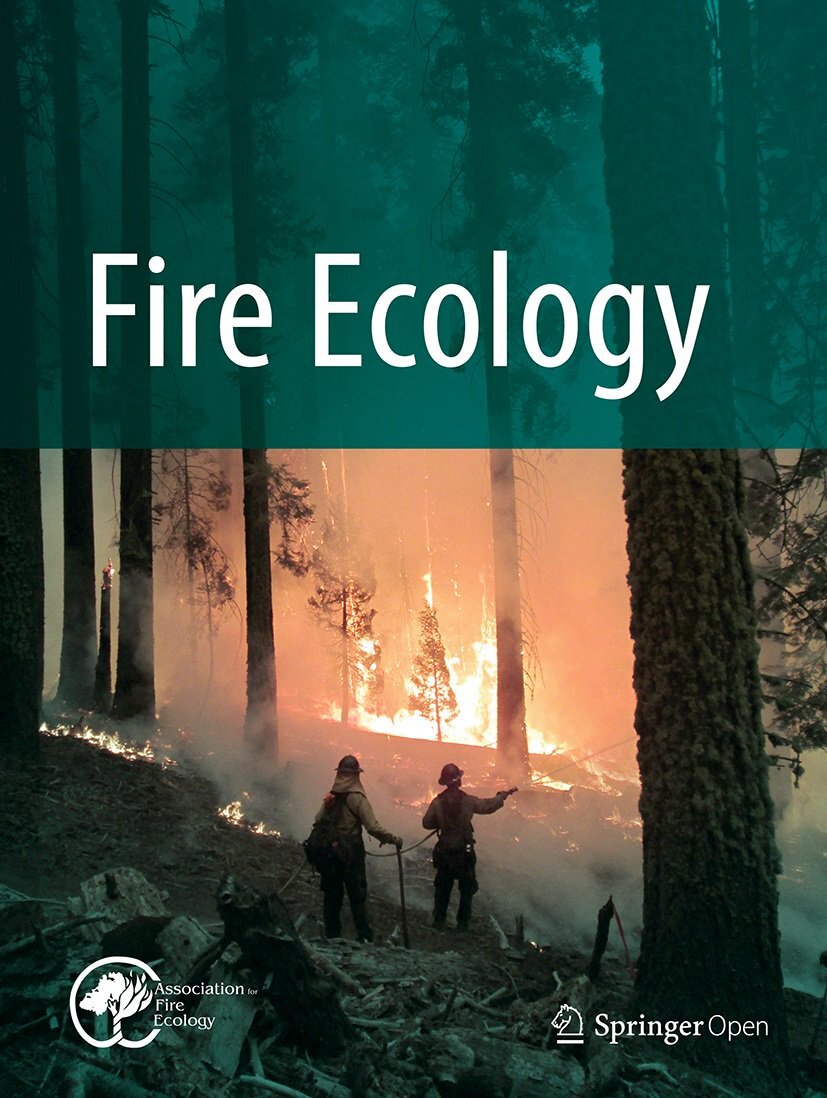
fire ecology Journal
Upcoming EVENTs
The North American Forest Ecology Workshop will take place June 23-26, 2026 in Missoula, Montana.
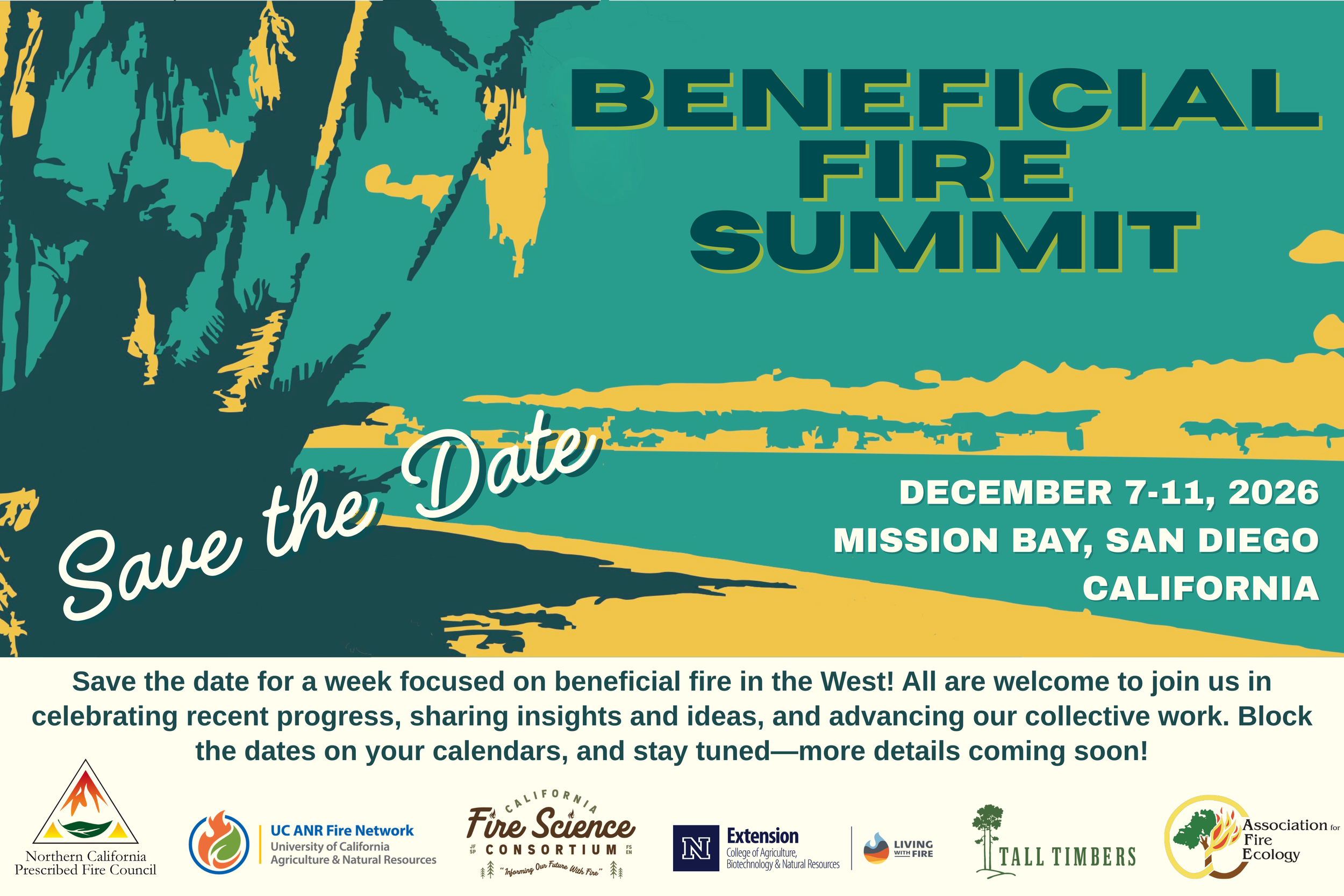
Join the Association for Fire Ecology, UC ANR Fire Network, California Fire Science Consortium, Northern California Prescribed Fire Council, Tall Timbers Research Station, and University of Nevada Extension/Living With Fire in San Diego December 7-11, 2026 for the Beneficial Fire Summit!
SAFE Chapter News
Learn about what several SAFE chapters have been up to in this recap of the Spring 2026 all-chapters meeting.
This year, the University of Montana Fire Club welcomed a diverse lineup of guest speakers whose experiences span from science communication, research, to operational sciences within the wildfire realm.
Nominations for National SAFE Officer positions are now open and will close Friday, April 17th
LATEST JOB POSTINGS
The purpose of this position is to contribute to fire management and ecological stewardship efforts via streamlining and organization of data processing and analyses routines related to fuels treatment monitoring in several of Alaska’s National Parks.
This position will help the Alaska Region Fire Ecology Program turn a difficult-to-use legacy dataset into a practical resource for current fire ecology, fuels, and adaptation projects. By organizing paired plot records, identifying reburned and pre/post-fire locations, and evaluating where legacy data can inform vegetation and fuels mapping, the SIPs will help staff better understand how post-fire ecosystems are responding under changing environmental conditions.
The Conservation Coordinator supports land stewardship and conservation activities through a combination of field work and administrative support. Responsibilities include ensuring that conservation easements held by TNC are monitored and remain in compliance with applicable easement standards, supporting the prescribed fire program, interacting with the public and supporting community outreach, and assisting with conservation planning and implementation.
The Western Iowa Assistant Land Steward performs and participates in preserve operations including the maintenance, management, and coordination of conservation programs, under the direction of the Western Iowa Land Steward. Tasks include biologically based land management activities including prescribed fire, livestock (including bison) management, and invasive species control; maintenance of preserve infrastructure, tools, and equipment, and preserve and easement monitoring. This position is based at Broken Kettle Grasslands near Westfield, Iowa and covers all western Iowa preserves.
afe podcast: Fire Ecology Chats
William Flatley and Theo Witsell discuss using fire-scarred shortleaf pines and tree cores to characterize and link together fire history and history of invasion in the Ozark Plateau.
Claire Tortorelli and Alison Dean discuss how invasive grasses change the spread of fire across the landscape and how to manage it.
Kristen Shive, Linnea Hardlund, and Brianna Baker discuss how managers can move forward in handling the loss that giant sequoias have suffered.

An article recently published in Fire Ecology examines underrepresented hazards in wildland firefighting.