Fire Lab Seminar Series
The Missoula Fire Sciences Laboratory has been hosting an annual seminar series since 1998. Hour-long seminars are presented by Fire Lab employees and other researchers from throughout the world. Seminars cover current research and management about the natural world from a broad range of disciplines, but most seminars usually have a wildland fire theme. The Fire Lab Seminar Series provides a platform for researchers and managers to present their work in an environment that encourages critical thought, the free exchange of ideas, and knowledge discovery.
October 22: The Meteorological Opportunity of Northern California Prescribed Burns
Thursday, October 22, 2026, 10am PT/1pm ET
Presenters: Karen C. Short and Rochelle Worsnop
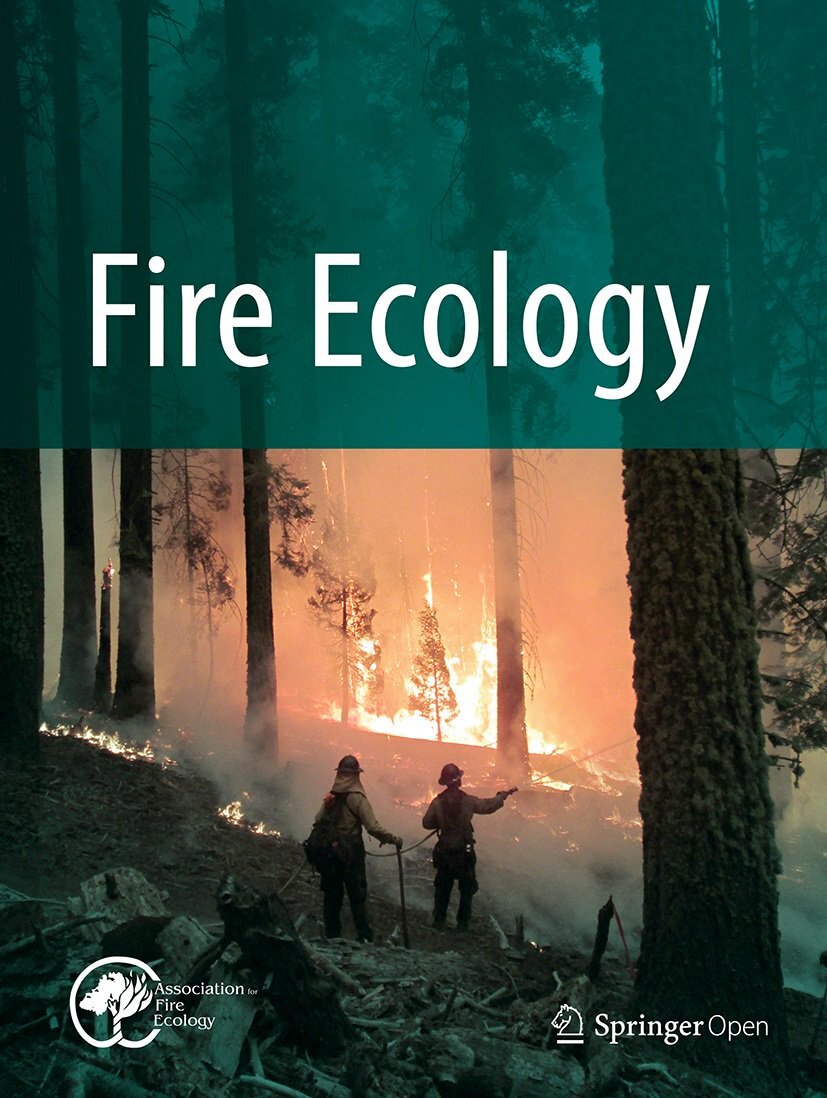
Prescribed fire is a critical land-management tool to create more wildfire-resilient communities and to restore health to fire-dependent ecosystems. We will introduce methods and share key results from our recently published study in Fire Ecology in which we analyzed weather and fuel moisture data in conjunction with 14 years (2011–2024) of prescribed burn-permit data from the California Prescribed Fire Incident Reporting System. Our analysis addressed the following three questions: 1) when do prescribed fires typically occur in northern California; 2 ) under what local and large-scale weather conditions are they typically ignited; and 3) how often do potential burn-windows of opportunity occur in a given month for different prescribed fire types?
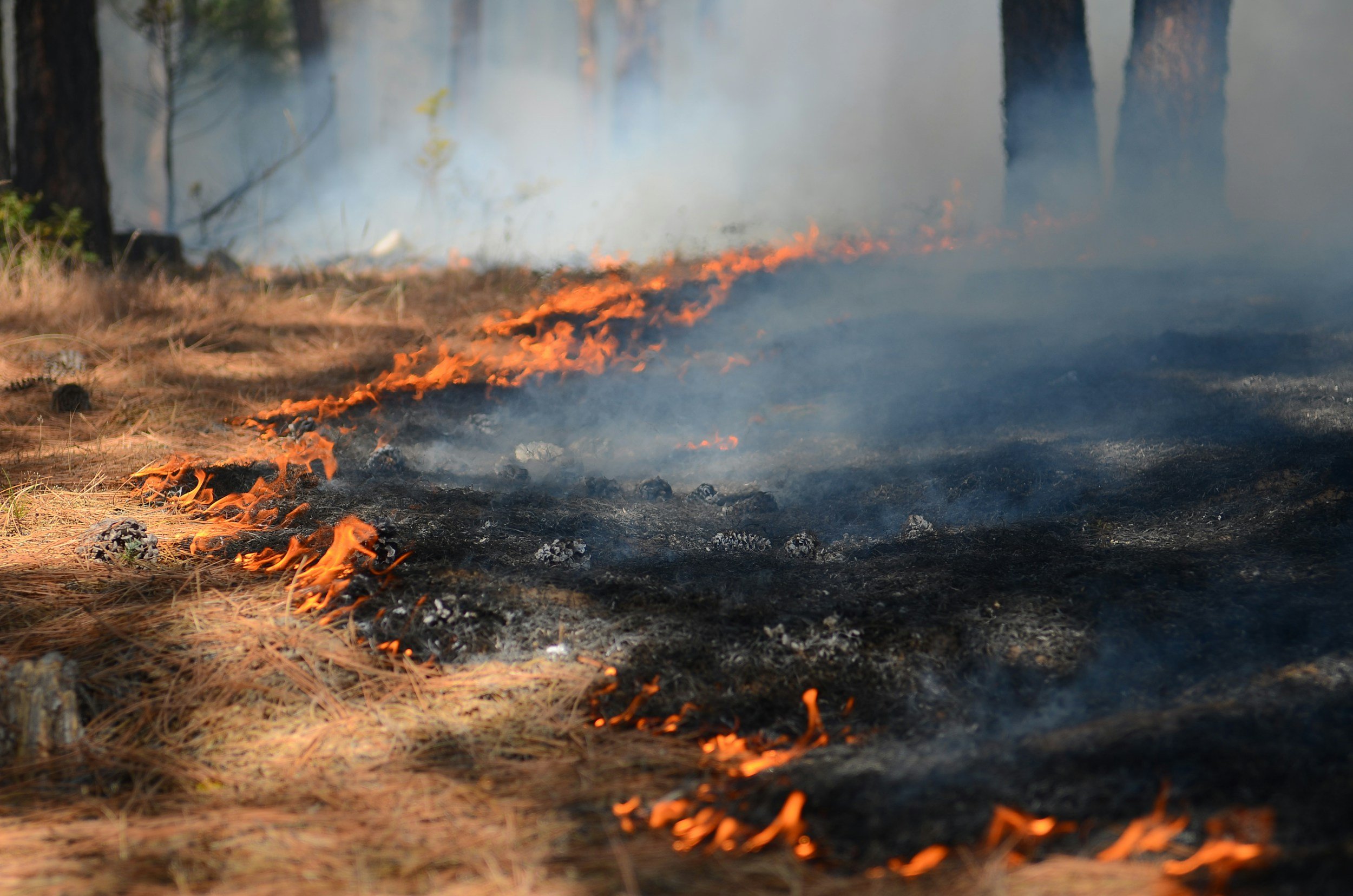
We will introduce two fire types common to the region–pile and broadcast burning–and discuss their role in reducing wildfire hazard in the western United States. Using the local and large-scale information provided by gridMET and ERA5 reanalysis, respectively, and fire-reporting data, we share insights into the weather conditions that burn practitioners chose to put fire on the landscape. This enabled us to generate data-driven prescribed burn-prescription criteria for five general vegetation-elevation categories across northern California. We provide estimates of the number of burn-windows of opportunity–days that met this prescription criteria–for each month and burn type to help in prescribed-fire planning and operations. Our results will show that across the region, including in high-risk firesheds, there are many weather opportunities for burning throughout the year which vary month-to-month depending on the burn type. For example, we found that favorable weather windows for broadcast burning in October occur, on average, three times more often than those for pile burning.