Predicting What Burns: Machine Learning and Satellite Remote Sensing for Fuel Moisture Estimation Across the Continental U.S.
Fire Lab seminar series
Thursday, April 16, 10am PT/1pm ET
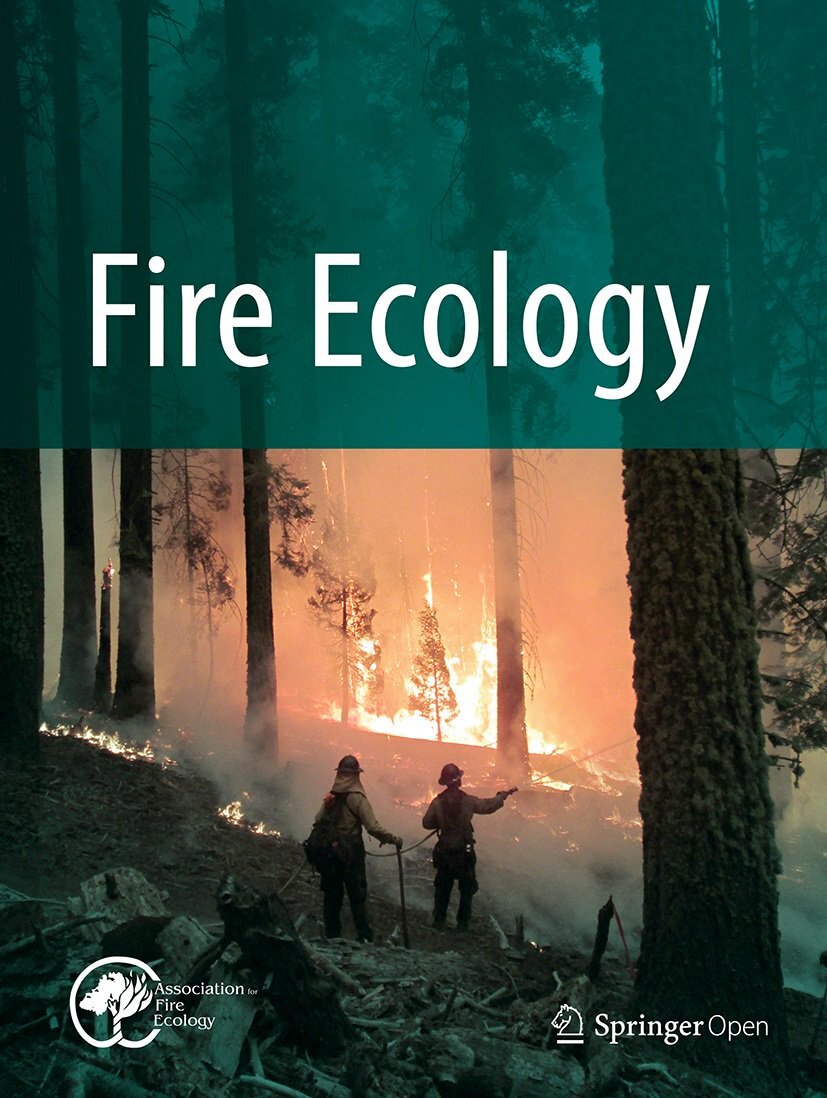
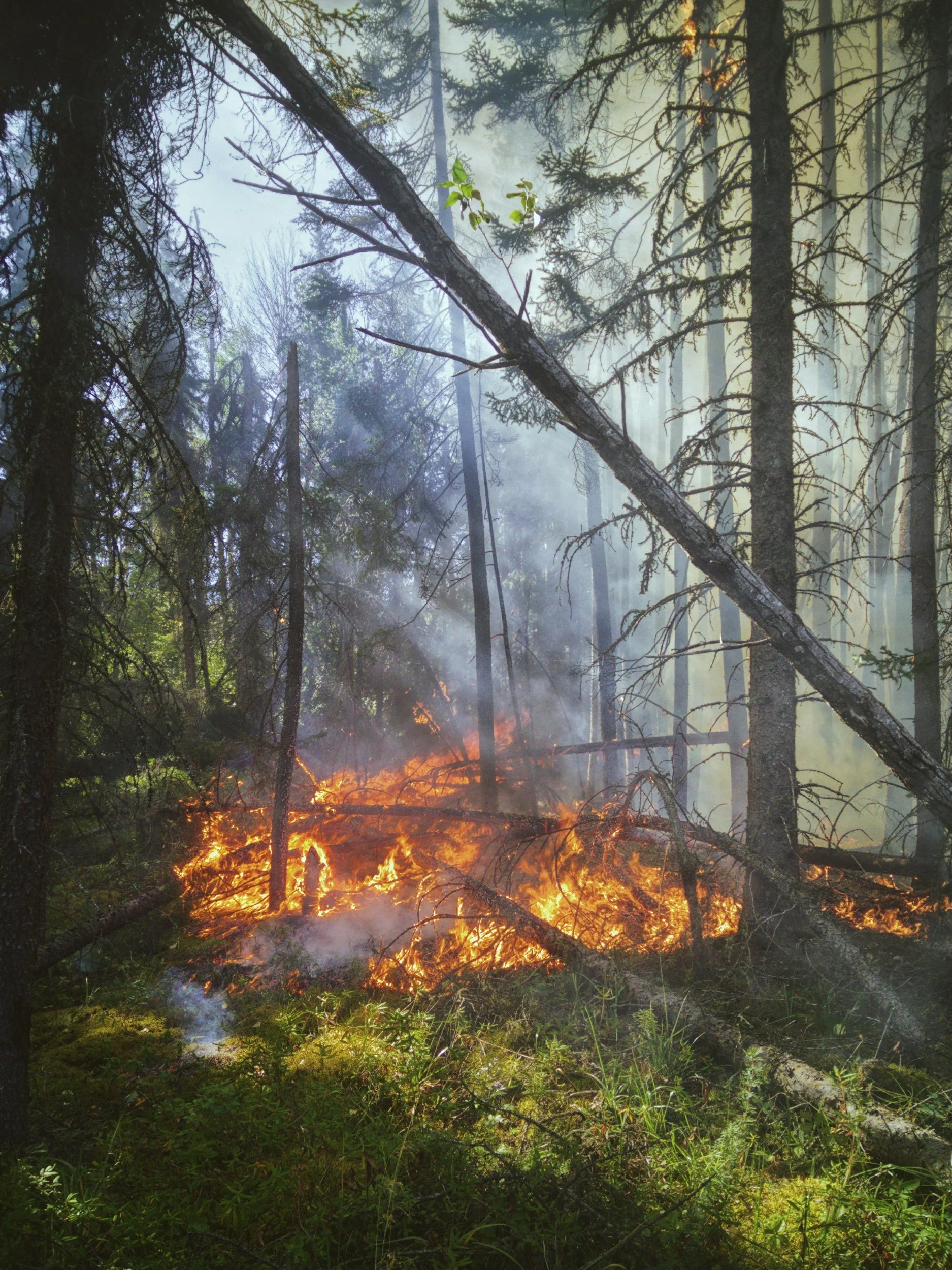
Fuel moisture content (FMC) is a critical driver of wildfire ignition and spread, yet spatially continuous, timely estimates remain elusive. This talk presents a machine learning framework for estimating FMC across the contiguous United States using gradient-boosted trees (XGBoost) trained on field observations and multi-source remote sensing data. We begin with dead fuel moisture, where VIIRS and GOES-ABI satellite retrievals provide strong predictive signal — this work establishes the methodology and demonstrates what satellite observations can contribute at hourly and daily timescales. We then extend that framework to the harder live fuel moisture problem, where plant physiology, species composition, and multi-week antecedent water stress all matter. The live FMC model ingests VIIRS surface reflectance and multi-scale temporal band averages, HRRR atmospheric fields across nine averaging windows (1–84 days), static landscape descriptors, and a fine-grained species encoding spanning 206 plant types across tree, shrub, and grass fuel categories — roughly 371 predictors in total. Encoding species identity alone reduces the 2024 holdout test RMSE from 27.2% to 21.8% FMC. After hyperparameter optimization the final model achieves RMSE = 21.6% and R² = 0.71 on the held-out 2024 test year, an 80% reduction in error relative to a climatological baseline. We close with ongoing work to operationalize these retrievals within the NOAA JPSS/VIIRS data stream.
Speaker:
John Schreck, Machine Learning Scientist, National Center for Atmospheric Research