Promoting Fire Ecology Research, Education, and Management
The Association for Fire Ecology is an international organization dedicated to improving the knowledge and use of fire in land management. We are scientists, educators, students, managers, practitioners, policymakers, and interested citizens helping to shape the emerging profession and growing field of fire ecology.
AFE news
The interagency Joint Fire Science Program (JFSP) is soliciting proposals from both government and non-government entities through several formal Notice of Funding Opportunity (NOFO) announcements beginning July 7th and closing on September 17th at 5 PM MT.
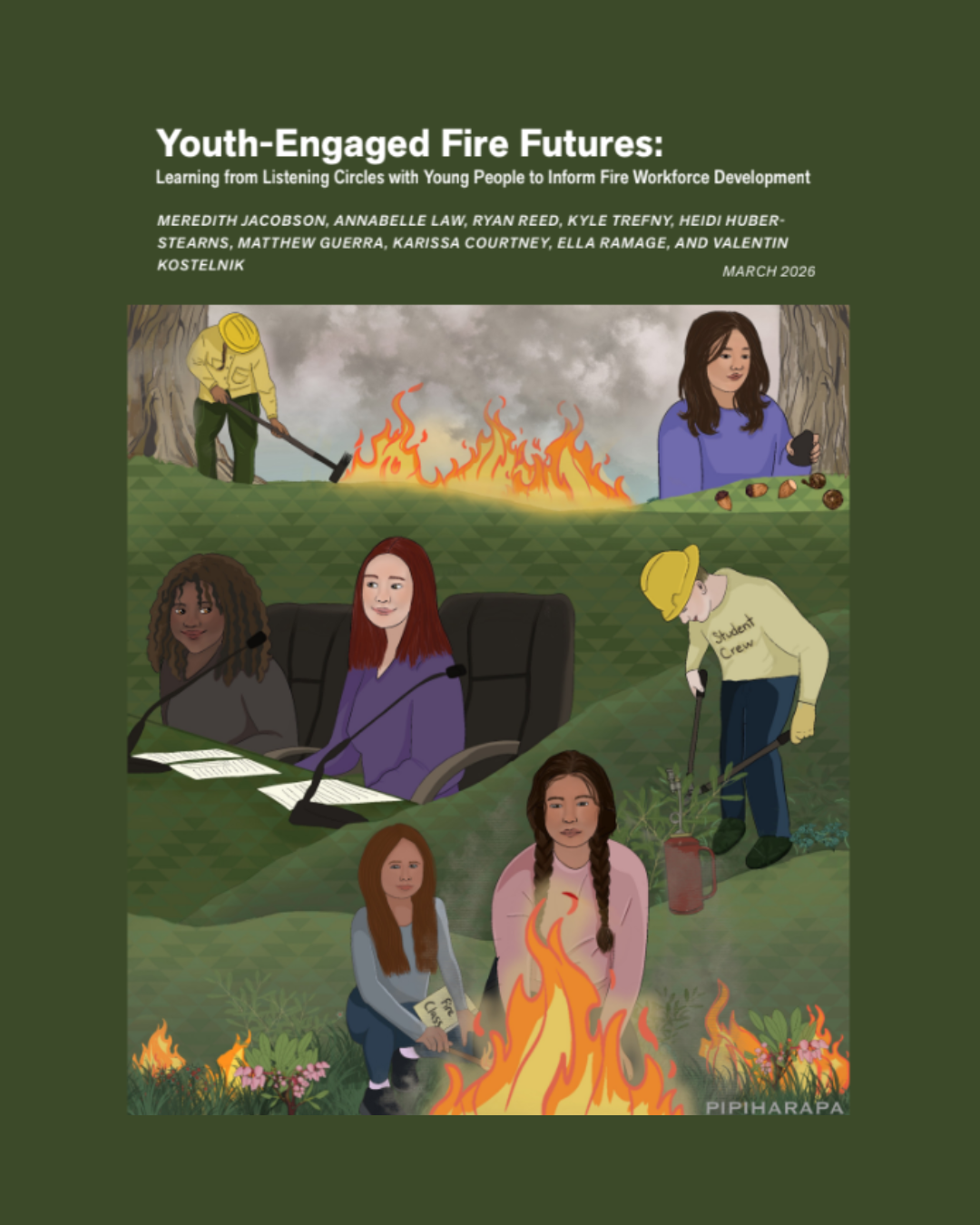
Part of a collaboration between the FireGeneration Collaborative and Ecosystem Workforce Program, this working paper shares experiences in the fire field, desires for future work with fire, and ideas for making change from young people.
Two student-focused collaborative groups have been formed by members of the Education Committee and collaborators as part of the Student Fireline Project: the Student Rx Fire Collaborative Group and the Student Red Card System Collaborative Group.
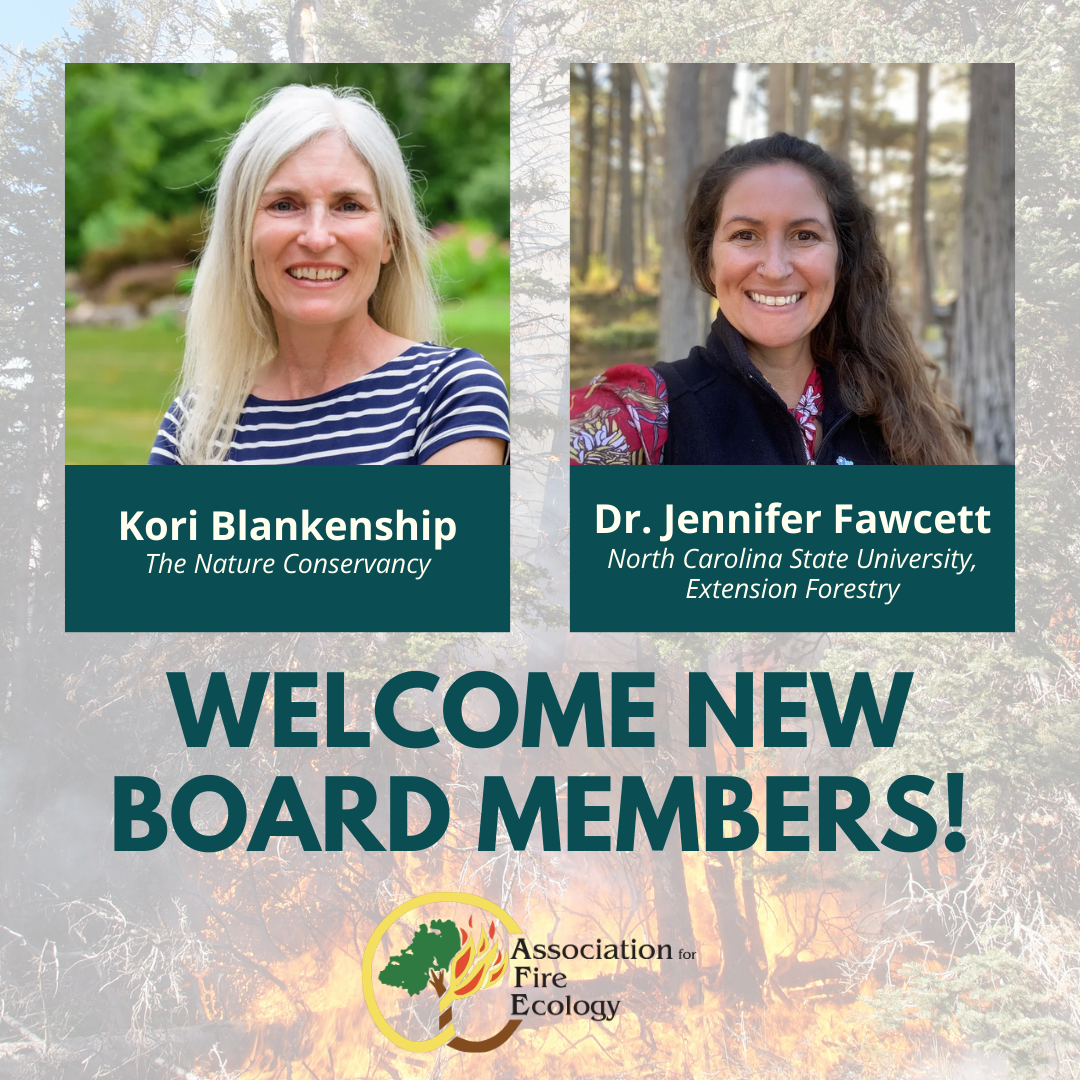
The AFE Board of Directors is pleased to welcome Kori Blankenship and Jennifer Fawcett as new board members!
Contribute to an international study on wildfire resilience, which is gathering place-based insights into the opportunities and challenges of building resilience across fire-prone regions worldwide.
fire ecology Journal
Upcoming EVENTs
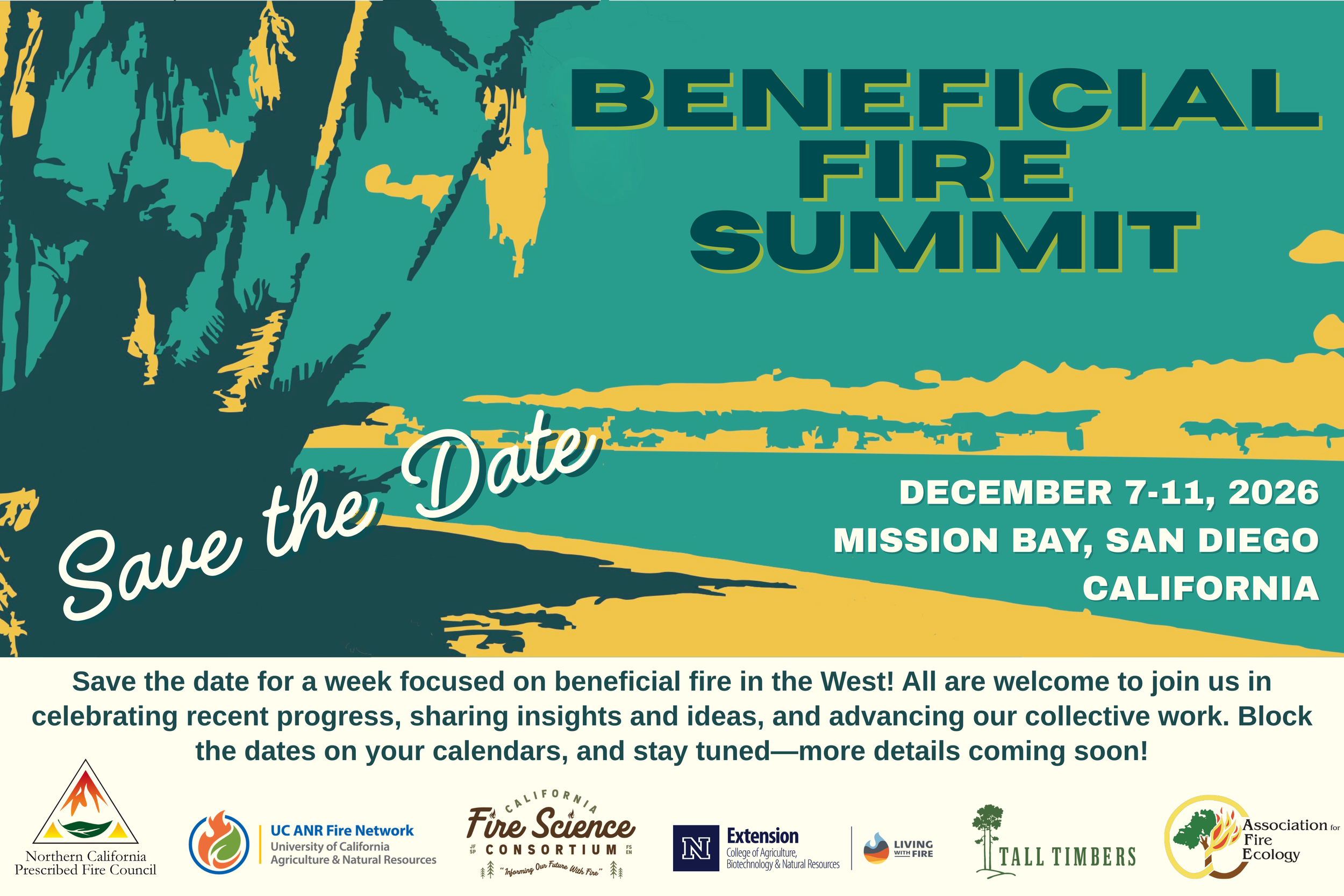
Join the Association for Fire Ecology, UC ANR Fire Network, California Fire Science Consortium, Northern California Prescribed Fire Council, Tall Timbers Research Station, and University of Nevada Extension/Living With Fire in San Diego December 7-11, 2026 for the Beneficial Fire Summit!
SAFE Chapter News
Welcome 2026-27 National SAFE Officers: Will Hentschel, Vanessa Stevens, Molly Franklin, Leo Janczak, and Camden Thorne!
Learn about what several SAFE chapters have been up to in this recap of the Spring 2026 all-chapters meeting.
LATEST JOB POSTINGS
The California Coastal Commission is seeking an experienced Environmental Scientist or Senior Environmental Scientist (Specialist) to join its Ecology Team (Technical Services Unit) at its Headquarters Office in downtown San Francisco. This position will primarily focus on the relationship between wildfire and coastal ecology as relates to vegetation management for fuel reduction, ecological restoration, and resilience work across a range of ecosystems, including forests, shrublands, grasslands and wetlands throughout the coastal zone, which extends inland from the shoreline at variable distances up to more than five miles in some areas.
The Larimer County Sheriff's Office is seeking dedicated wildland firefighters to join our initial attack module, Phantom Canyon Crew, as Forestry Technician TEMPS (Seasonal). These are seasonal, temporary, full-time positions that will work from April 2027 to October 2027, providing the opportunity to work under the direct supervision of the LCSO Emergency Services Unit.
The Fuels Program Manager, in collaboration with District staff and local land management partners, will help develop, promote, and implement fuels reduction and forest health projects. The position will be involved in all aspects of resource conservation projects from concept to completion, including initiating contact with cooperators, identifying needs, grant writing, environmental compliance, budgeting, implementation, monitoring, and detailed reporting.
The Disney Wilderness Preserve Manager provides management oversight of DWP. They supervise DWP staff responsible for stewardship, facility maintenance, and outreach and volunteer activities.
afe podcast: Fire Ecology Chats
Claire Rapp and Melanie Colavito discuss how practitioners on the ground can better use wildfire management support tools.
Peter Breigenzer and Jay Wason discuss using terrestrial lidar (TLS) to better understand how forest cover influences understory temperature, relative humidity, and dead fuel moisture in mesic forests in the north-east US.

An article recently published in Fire Ecology examines how fire suppression effects species like Baker Cypress.